
Project Background
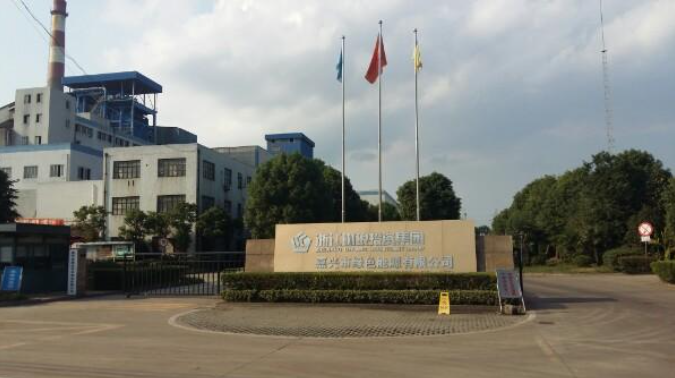
Jiaxing Green Energy Co., Ltd. was established in 2004 in Jiaxing, Zhejiang Province. Its activities cover the production and supply of electricity, heat, gas, and water, with waste-to-energy generation forming a core part of the facility described in this project.
A waste-to-energy plant combines combustion, steam generation, power conversion, flue-gas treatment, material handling, pumps, fans, and supporting electrical systems. Many of these loads operate continuously and may include variable-frequency drives, rectifier-based equipment, and other power-electronic devices. As operating conditions change, the plant distribution network can experience both nonlinear harmonic current and varying reactive power demand.
Maintaining stable power quality is important not only for generator output but also for the auxiliary systems that support safe and continuous plant operation. The site therefore required a coordinated solution that could address harmonic distortion and reactive power compensation as two related but technically distinct requirements.
Power Quality Challenge
The site assessment identified elevated voltage harmonic distortion, with the 5th and 7th harmonics reported as the principal components. Before treatment, the voltage harmonic distortion rate reached 16.4%. The plant power factor was approximately 0.85, indicating a significant reactive power requirement.
The site challenge could not be resolved by one compensation device alone because harmonic distortion, rapidly changing reactive demand, and relatively stable base kvar demand occurred at the same distribution point. A fixed capacitor system could provide base reactive power, but it could neither track fast load changes nor actively mitigate the dominant 5th- and 7th-order harmonics. An SVG could regulate dynamic reactive power and improve power factor, but using it alone would leave the harmonic problem untreated and require it to carry the full reactive power demand. An AHF could mitigate harmonic current, but assigning its converter capacity to the plant’s complete reactive power requirement would reduce the capacity available for harmonic compensation.
The project therefore required an integrated architecture rather than a larger single device. The AHF preserved dedicated capacity for harmonic mitigation, the SVG followed dynamic reactive power variation, and the capacitor section supplied the more stable portion of the kvar demand. Only this coordinated division of duties could address the full site condition and support both reported outcomes: reducing voltage harmonic distortion from 16.4% to below 1.9% while raising the power factor from approximately 0.85 to 1.00.
| Assessment Item | Reported Site Condition |
|---|---|
| Application | Waste-to-energy generation plant |
| Main power quality issues | Voltage harmonic distortion and insufficient power factor |
| Voltage harmonic distortion before treatment | 16.4% |
| Dominant harmonic orders | 5th and 7th |
| Power factor before treatment | Approximately 0.85 |
| Required treatment | Dynamic harmonic mitigation and reactive power compensation |
Solution Configuration
At each treated transformer, the project combined one 150 A Active Harmonic Filter with one 200 kvar hybrid SVG-capacitor compensation system. This architecture was selected because the measured condition involved two different requirements at the same distribution point: prominent 5th- and 7th-order harmonics and insufficient power factor under changing plant loads.
The coordinated system assigned harmonic mitigation and reactive power compensation to the appropriate control paths. Within the reactive power section, the SVG provided continuously adjustable output while the capacitor section supported the more stable kvar demand. This mixed arrangement allowed the project to reduce voltage harmonic distortion and raise power factor without relying on one device to perform incompatible functions.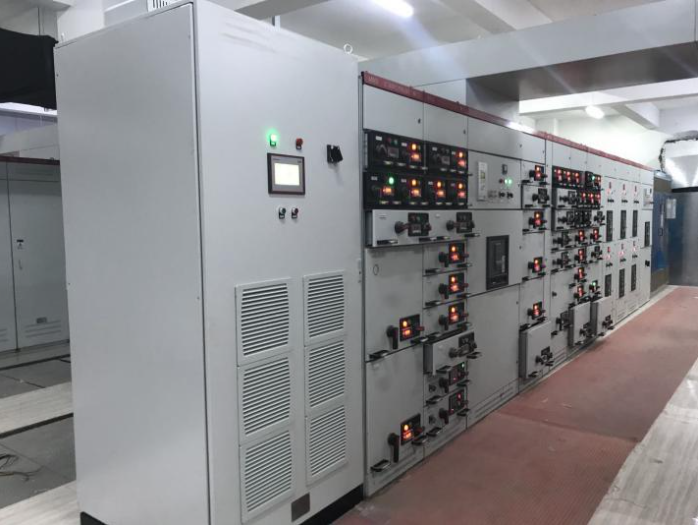
Reported Result
The reported result shows that the combined solution addressed both principal power quality problems. Voltage harmonic distortion decreased from 16.4% to below 1.9%, while the power factor increased from approximately 0.85 to 1.00.
| Performance Indicator | Before Treatment | After Treatment |
|---|---|---|
| Voltage harmonic distortion | 16.4% | Below 1.9% |
| Power factor | Approximately 0.85 | 1.00 |
| Principal harmonic components | 5th and 7th orders | Substantially mitigated |
| Harmonic treatment equipment | Not reported | 150 A AHF at each treated transformer |
| Reactive power compensation | Insufficient | 200 kvar SVG-capacitor hybrid system at each treated transformer |
The reduction in voltage harmonic distortion demonstrates the contribution of the AHF to harmonic mitigation. The improvement in power factor reflects the coordinated output of the SVG and capacitor compensation system.
The project therefore achieved the reported power quality objective without assigning harmonic filtering and reactive power compensation to a single device. Each part of the architecture was applied to the electrical condition it was designed to control.
Advantages of the AHF + SVG Architecture
Coordinated Treatment at the Same Distribution Point
The hybrid architecture addressed harmonic distortion and reactive power demand together without assigning both tasks to one device. This separation supported the reported reduction in voltage harmonic distortion and the increase in power factor.
Balanced Dynamic and Steady Reactive Compensation
Combining continuously adjustable SVG output with capacitor-based kvar support matched the plant’s changing and relatively stable reactive power requirements. Applying the arrangement at each treated transformer also kept compensation close to the affected distribution section.
FAQ
What power quality problems were identified at the waste-to-energy plant?
The reported issues were voltage harmonic distortion of 16.4%, dominant 5th- and 7th-order harmonics, and a power factor of approximately 0.85.
What equipment was applied at each treated transformer?
The reported configuration used one 150 A Active Harmonic Filter and one 200 kvar hybrid reactive power compensation system combining SVG and capacitor compensation.
Why were both AHF and SVG equipment required?
The site had two different electrical requirements. The AHF mitigated harmonic current, while the SVG-capacitor system compensated reactive power and improved the power factor.
Why not use only capacitor banks?
Capacitor banks can supply reactive power, but they do not actively cancel harmonic current. In a harmonic-rich network, capacitor application should also be coordinated with the measured system impedance and harmonic spectrum.
What result was reported after implementation?
Voltage harmonic distortion decreased from 16.4% to below 1.9%, and the power factor increased from approximately 0.85 to 1.00.
Does this case establish a specific energy-saving or payback figure?
No. The supplied project information verifies improvements in voltage harmonic distortion and power factor. Energy-saving, cost-saving, and payback calculations would require additional metered-energy, tariff, operating-hour, and maintenance data.