SET provides a Hybrid SVG + Capacitor/Reactors Power Factor Correction Solution for an automotive manufacturing facility with large power demand, low power factor, nonlinear loads, and impact load equipment.
The solution is designed to address fast-changing reactive power demand that traditional capacitor cabinets cannot follow effectively. By combining switching capacitor/reactor units with Static Var Generator compensation, the system balances cost, response speed, and compensation accuracy.
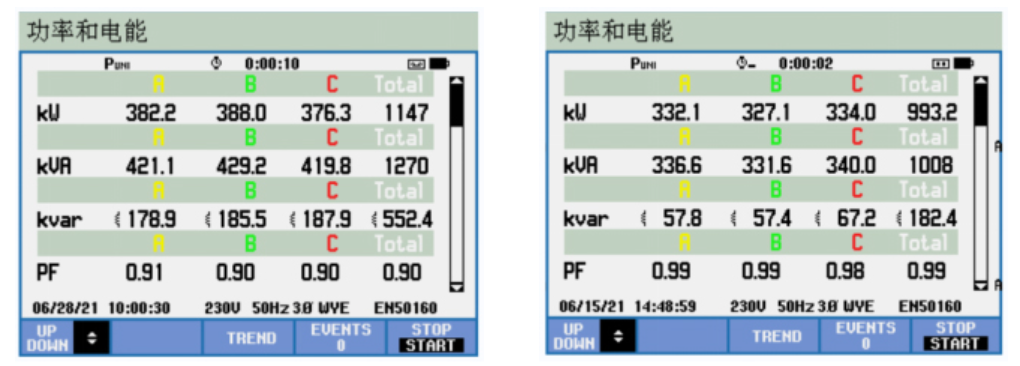
In this representative automotive manufacturing application, the reported result shows that the on-site power factor increased from 0.90 to about 0.99 after the hybrid compensation equipment was put into operation.
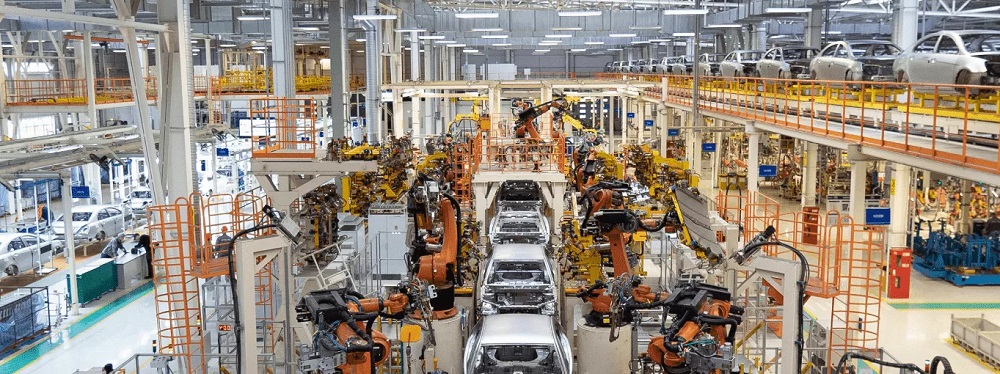
Automotive manufacturing is a typical heavy industrial application with high electricity demand and complex load characteristics,, which commonly result in low power factor, frequent load fluctuation, nonlinear load interference, and high requirements for stable power supply.
Production lines, welding equipment, motors, drives, pumps, air compressors, and auxiliary systems may operate at different load levels throughout the day, causing the reactive power demand to change quickly. In this type of industry, conventional capacitor banks may provide compensation for relatively stable reactive power demand, but they are often not fast enough to follow rapid load changes.
When reactive power demand fluctuates frequently, delayed or inaccurate compensation can reduce the effectiveness of traditional compensation cabinets and affect overall system performance. Automotive manufacturing facilities therefore require a compensation architecture that can combine economical fixed compensation with fast dynamic response.
| Challenge | Typical Cause | Impact |
|---|---|---|
| Low power factor | Large motor loads, production equipment, and reactive power demand | Lower electrical efficiency and increased compensation demand |
| Rapid reactive power fluctuation | Impact loads and frequent equipment start-stop | Traditional capacitor cabinets may not respond quickly enough |
| Nonlinear load characteristics | Drives, power electronic equipment, and auxiliary electrical systems | Increased waveform distortion and system disturbance |
| Compensation accuracy requirement | Mixed fixed and dynamic load demand | Need for coordinated compensation strategy |
| Equipment service life concern | Frequent switching of conventional compensation devices | Increased wear if compensation is not properly designed |
For automotive manufacturing applications, SET recommends a Hybrid Dynamic Reactive Power Compensation architecture that combines Static Var Generator and switching capacitor/reactor reactive power compensation units.
This architecture allows different compensation resources to handle different types of reactive power demand.
For large-capacity and relatively fixed reactive power, the capacitor/reactor unit provides economical compensation. For small-capacity and fast-changing reactive power, the SVG provides rapid dynamic compensation.
Compared with a single traditional capacitor cabinet, the hybrid architecture improves both compensation accuracy and response speed. It also helps reduce unnecessary switching stress and supports longer service life of the compensation equipment.
The deployment strategy should be based on the actual reactive power condition of the site.
In an automotive manufacturing facility, fixed reactive power demand and fast-changing reactive power demand may exist at the same time. The hybrid compensation system is therefore configured by matching each compensation unit to the corresponding load characteristic.
| Load / Reactive Power Condition | Recommended Compensation Method |
|---|---|
| Large-capacity fixed reactive power | Switching capacitor/reactor compensation |
| Small-capacity fast-changing reactive power | Static Var Generator dynamic compensation |
| Frequent load fluctuation | SVG fast response compensation |
| Cost-sensitive compensation demand | Hybrid configuration for price-performance balance |
| Sites requiring higher compensation accuracy | Coordinated SVG + capacitor/reactor design |
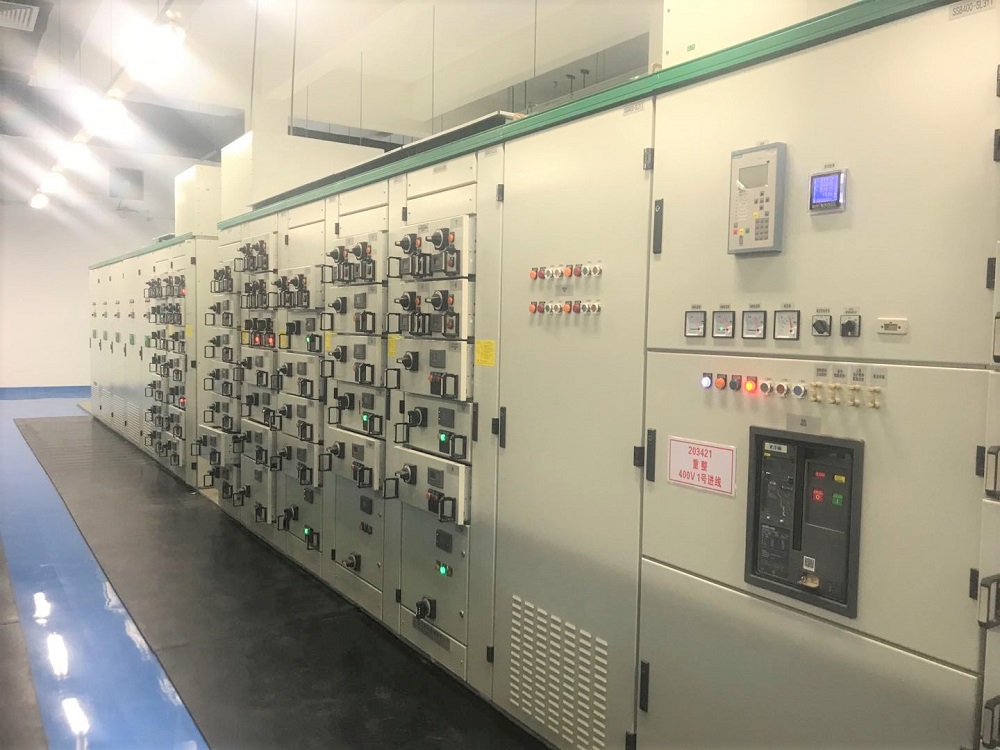
In this representative application, the installed system used a 200 kVAR SVG + 400 kVAR capacitor/reactor compensation configuration.
The reported result shows that after the equipment was put into operation, the on-site power factor increased from 0.90 to about 0.99.
| Indicator | Configuration / Result |
|---|---|
| Application industry | Automotive manufacturing |
| Compensation architecture | Hybrid SVG + capacitor/reactor compensation |
| SVG capacity | 200 kVAR |
| Capacitor/reactor compensation capacity | 400 kVAR |
| Reported power factor before compensation | 0.90 |
| Reported power factor after compensation | About 0.99 |
The capacitor/reactor unit supports economical compensation for large-capacity fixed reactive power, while the SVG handles fast-changing reactive power demand.
The SVG compensates rapidly changing reactive power, helping the system respond to load fluctuations that traditional capacitor cabinets cannot follow effectively.
The hybrid configuration allows different compensation units to work together according to the actual reactive power state of the site.
By reducing unnecessary frequent switching of capacitor/reactor units, the hybrid design helps improve the service life of compensation equipment.
Both SVG and capacitor/reactor units can be combined flexibly according to actual site requirements, supporting a better balance between operating effect and investment cost.
Q: Why do automotive manufacturing facilities need hybrid power factor correction?
A: Automotive manufacturing facilities often have large power demand, low power factor, nonlinear loads, and impact loads. These conditions create fast-changing reactive power demand that traditional capacitor cabinets may not follow effectively.
Q: What is included in the hybrid compensation architecture?
A: The architecture combines Static Var Generator compensation with switching capacitor/reactor reactive power compensation.
Q: How does the system divide compensation tasks?
A: Large-capacity fixed reactive power is handled by capacitor/reactor compensation, while small-capacity and fast-changing reactive power is handled by SVG dynamic compensation.
Q: What result was reported in the representative automotive application?
A: The reported result shows that the on-site power factor increased from 0.90 to about 0.99 after the hybrid compensation equipment was put into operation.
Q: What are the main advantages of this solution?
A: The solution improves compensation response speed, compensation accuracy, price-performance balance, and equipment service life in automotive manufacturing power systems.