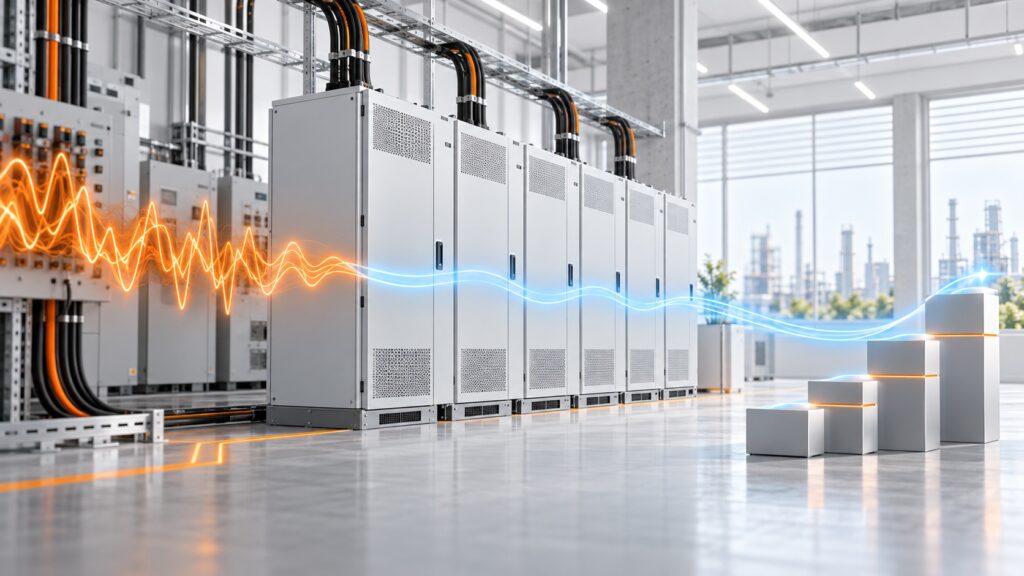
The cost of an active harmonic filter cannot be estimated reliably from transformer kVA or THDi alone. Two plants with the same supply capacity may need very different compensation current, enclosure design and control configuration. A useful budget starts with the harmonic spectrum and the operating profile.
| Factor | Why it changes the solution |
|---|---|
| Required compensation current | Determines module quantity and thermal design |
| System voltage and frequency | Affects the power stage, insulation and component selection |
| 3P3W or 3P4W network | Neutral-current compensation can require a four-wire design |
| Harmonic spectrum | The fifth, seventh and higher orders create different current and bandwidth demands |
| Enclosure and environment | IP rating, temperature, dust, altitude and ventilation affect cabinet construction |
| Controls and integration | CT arrangement, communication, HMI and multi-module coordination add engineering scope |
Start with measured RMS harmonic current at the intended installation point. Review the worst repeatable operating state and add a reasonable allowance for load growth. Avoid multiplying transformer current by THDi without checking individual harmonic amperes and load diversity. The AHF sizing guide for VFD loads explains the practical workflow.
A simple financial model can include avoided utility penalties, released transformer or cable capacity, reduced nuisance trips, lower overheating risk and less unplanned downtime. Use conservative values and separate verified savings from risk reduction. A common evaluation is:
Simple payback period = installed project cost ÷ verified annual benefit.
If an outage costs much more than the filter, reliability may dominate the decision even when energy savings alone produce a longer payback. Compare the baseline and post-installation data using the same analyzer location and production conditions.
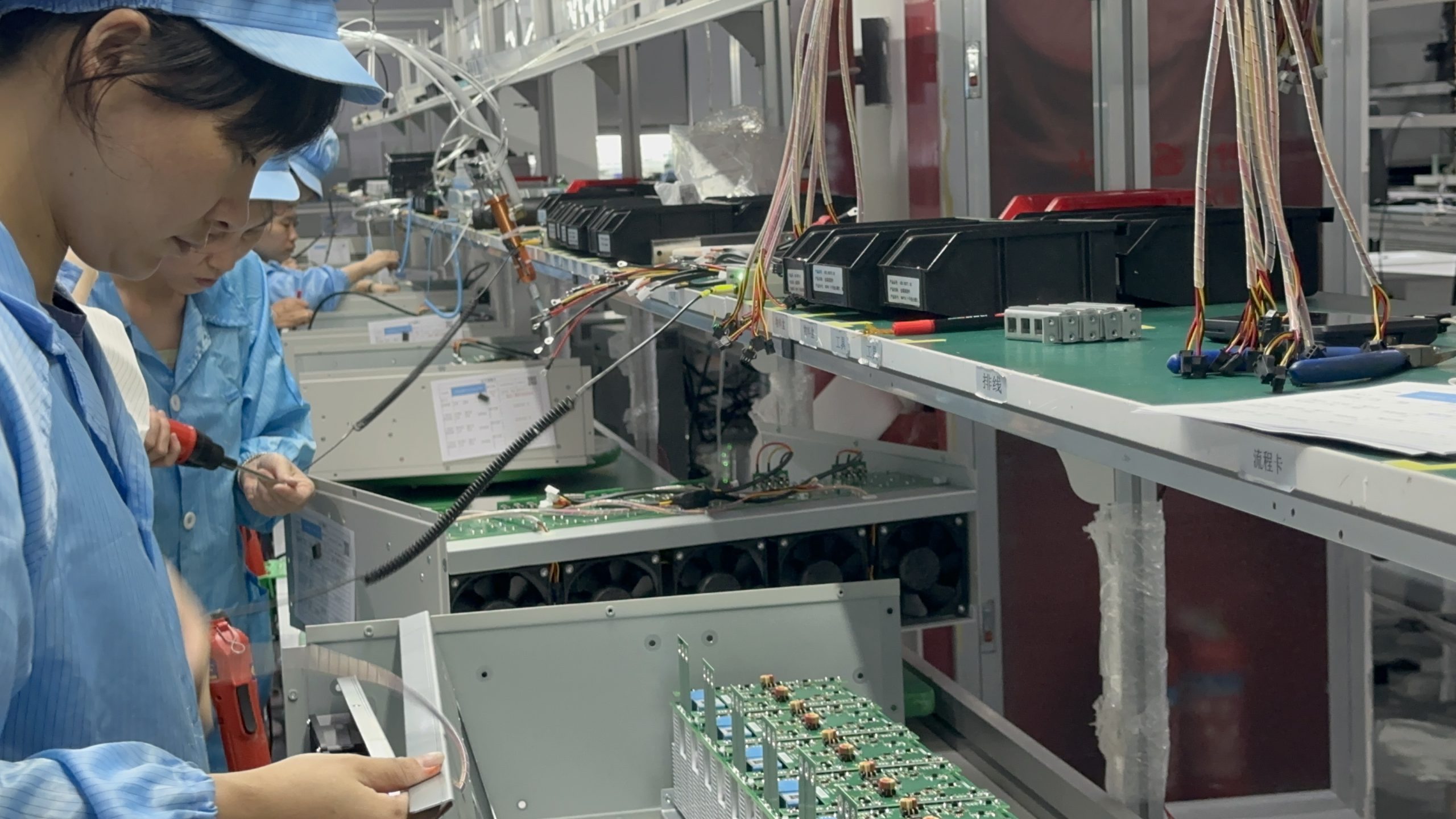
For mixed compensation, review hybrid VAR compensation design.
Compare quotations on the same electrical duty and acceptance test. Confirm whether each active harmonic filter rating is continuous at the specified ambient temperature, whether neutral-current compensation is included and how much spare capacity remains at peak production. The proposal should define CT location, response time, compensated harmonic orders, cabinet losses, ventilation and communication interfaces. Ask suppliers to state the expected residual current distortion under a documented load case instead of promising one percentage for every condition.
For lifecycle cost, include installation, commissioning, preventive maintenance, cooling energy and module redundancy. A lower purchase price can be misleading if the active harmonic filter must operate continuously at its limit or if extra cabinets are required later. Record baseline and acceptance measurements at the same point and operating state. System-level limits should be checked against the applicable project specification and the IEEE 519 standard information.
No. Drive topology, loading, existing reactors, simultaneous operation and harmonic spectrum all affect the required compensation current.
No. A unit that operates continuously near its limit may leave no growth margin and can create a second project later.
Provide voltage, frequency, line arrangement, transformer data, harmonic spectrum, maximum load current, target result, enclosure requirement and installation location. Send the data to Elumotive for a preliminary selection.