Shanghai National Exhibition & Convention Center: APF + SVG Solution at Commercial Complex
SET PROJECT CASES
Shanghai National Exhibition & Convention Center: AHF + SVG Solution at Commercial Complex
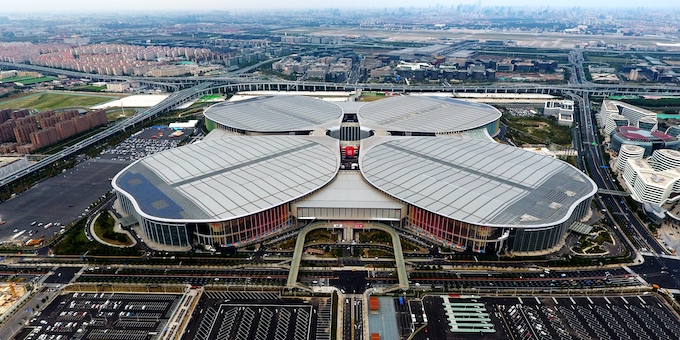
SET provided an AHF + SVG collaborative mitigation solution for Shanghai National Exhibition & Convention Center (hereinafter “NECC“), successfully reduced harmonic distortion, improve power factor, and stabilize power quality in this complex commercial building load environment.
Project Summary and Application Value
SET’s AHF + SVG collaborative mitigation solution for Shanghai National Exhibition Center aimed to address harmonic distortion, poor waveform quality, and insufficient power factor performance in the low-voltage distribution system. Combining active harmonic filtering with dynamic reactive power compensation, the solution enables the system to detect harmonic current and reactive power demand in real time.
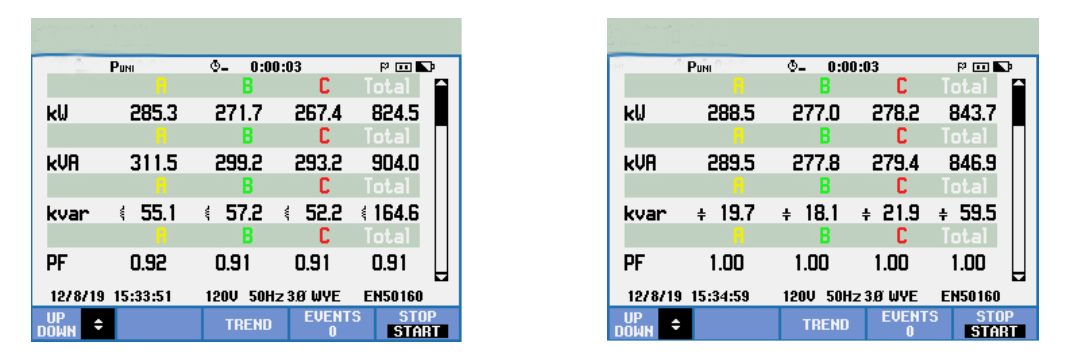
After implementation, the reported result shows that the site’s power factor improved from 0.91 to 1.0, while the total harmonic current distortion rate decreased from 34.7% to 1.5%.
0.91 -> 1.0Reported power factor improvement after compensation
34.7% -> 1.5%Reported THDi reduction after active filtering
400 AActive harmonic filtering cabinet configured on site
Project Background
NECC Shanghai: National Exhibition and Convention Center
Commercial complexes such as NECC typically operate with multiple categories of dynamic and nonlinear loads at the same time. Elevators and escalators frequently start and stop, HVAC systems and pumps are often driven by frequency converters, and UPS systems and electronic lighting introduce additional nonlinear current characteristics.
As a result, commercial building distribution systems commonly experience:
Harmonic current distortion
Voltage and current waveform distortion
Power factor reduction
Increased stress on distribution equipment
Potential interference with sensitive communication and control systems
In this project, nonlinear load harmonics accounted for more than 80% of the total harmonic content, while background harmonics from the public grid also entered the distribution system from the grid side.
Before SET’s power quality solution, the project site faced power quality challenges caused by dense nonlinear electrical loads in the commercial complex.
Power Quality Issues and Their Impacts
The project’s power quality issues were mainly related to harmonic distortion and reactive power demand generated by mixed commercial building loads.
Single-phase loads, such as lighting systems, mainly generated 3rd-order harmonics. Variable-frequency loads, including elevators and central air-conditioning equipment, mainly generated 5th, 7th, 11th, and 13th-order harmonics.
These harmonic components distorted current waveforms and increased the operating burden of the low-voltage distribution system. If not properly mitigated, such power quality issues may affect equipment reliability, communication system stability, and the overall electrical performance of the commercial complex.
Distorted current waveform and reduced power quality
Low power factor
Dynamic reactive power demand from mixed commercial loads
Lower electrical efficiency and compensation demand
Background harmonics
Harmonic content entering from the public grid
Additional disturbance in the distribution system
Load fluctuation
Frequent start-stop and variable-speed equipment
Unstable distribution system operating conditions
AHF + SVG Collaborative Mitigation Solution
To address the project’s harmonic distortion and reactive power compensation requirements, Elumotive adopted an AHF + SVG collaborative mitigation architecture.
The Active Harmonic Filter was configured to detect harmonic current in real time and generate reverse compensation current through power electronic conversion. This enabled dynamic harmonic mitigation for nonlinear commercial building loads.
The Static Var Generator was applied to provide fast reactive power compensation, supporting power factor improvement and helping maintain stable electrical performance under changing load conditions.
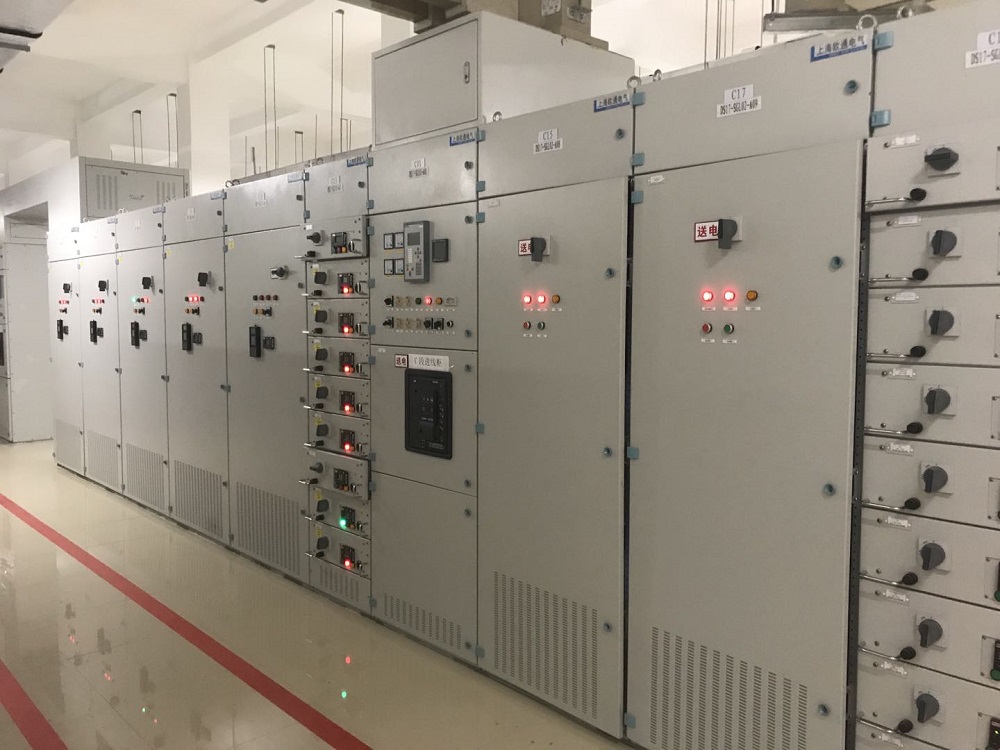
The on-site configuration included a 400 A Active Harmonic Filter cabinet. Together with SVG compensation, the system was designed to improve power factor, reduce harmonic current distortion, and enhance current waveform quality.
Core functions of the solution included:
Real-time harmonic current detection
Reverse compensation current generation
Dynamic reactive power compensation
Power factor improvement
Waveform quality enhancement
Low-voltage distribution system stabilization
Deployment Plan
The deployment plan focused on the commercial complex’s low-voltage distribution environment and its mixed nonlinear load characteristics.
The APF cabinet was installed to mitigate harmonic current generated by elevators, escalators, HVAC equipment, UPS systems, office networks, and electronic lighting loads. SVG compensation was applied to support reactive power compensation and power factor improvement under dynamic load conditions.
The system was designed to operate in real time, allowing the compensation equipment to respond to changing load demand across the commercial complex.
Deployment Item
Configuration / Function
Application site
Shanghai National Exhibition Center commercial complex
Lower harmonic distortion, improved power factor, better current waveform quality
Reported Application Results
After the APF + SVG collaborative mitigation solution was implemented, the project reported significant improvement in both harmonic distortion and power factor performance.
The reported result shows that the site’s power factor increased from 0.91 to 1.0. The total harmonic current distortion rate decreased from 34.7% to 1.5%, and the current waveform became significantly smoother after compensation.
0.91 -> 1.0Reported power factor improvement
34.7% -> 1.5%Reported THDi reduction
400 AAPF cabinet configuration
Indicator
Before Compensation
After Compensation
Power factor
0.91
1.0
Total harmonic current distortion rate
34.7%
1.5%
Current waveform
Distorted
Significantly improved
Compensation architecture
Insufficient dynamic mitigation
APF + SVG collaborative mitigation
Advantages of the APF + SVG Architecture
Harmonic Mitigation
The APF detects harmonic current in real time and generates reverse compensation current, reducing harmonic distortion caused by nonlinear commercial building loads.
Dynamic Reactive Power Compensation
The SVG provides fast reactive power compensation, supporting power factor improvement under changing load conditions.
Improved Waveform Quality
After implementation, the current waveform became significantly smoother, helping improve the quality of power supplied within the commercial complex.
Better Adaptation to Mixed Commercial Loads
The APF + SVG architecture is suitable for commercial complexes with elevators, escalators, HVAC systems, UPS systems, electronic lighting, and other nonlinear loads operating simultaneously.
Stable Low-Voltage Distribution Operation
By reducing harmonic distortion and improving power factor, the solution supports more stable operation of the low-voltage distribution system.
FAQ: APF + SVG Solution for Commercial Complex Power Quality
Q: What power quality issues did the project address?
A: The project addressed harmonic distortion, poor current waveform quality, and insufficient power factor performance in the commercial complex’s low-voltage distribution system.
Q: What types of loads caused the power quality issues?
A: The main loads included lighting systems, elevators, escalators, HVAC systems, water pumps, UPS systems, office networks, and electronic lighting devices.
Q: Why are commercial complexes prone to harmonic distortion?
A: Commercial complexes operate many nonlinear and variable-frequency loads at the same time. These loads can generate harmonic current and distort voltage and current waveforms in the distribution system.
Q: What equipment was configured in this project?
A: The project configured a 400 A Active Harmonic Filter cabinet and applied Static Var Generator compensation for dynamic power quality improvement.
Q: What results were achieved after implementation?
A: The reported result shows that the power factor improved from 0.91 to 1.0, while the total harmonic current distortion rate decreased from 34.7% to 1.5%.
Q: What is the value of the APF + SVG architecture in this application?
A: The architecture combines harmonic mitigation and dynamic reactive power compensation, making it suitable for commercial complexes with mixed nonlinear loads and changing power demand.
This Elumotive project case presents an APF + SVG collaborative mitigation solution for commercial complex power quality improvement.